Independent field guide
Canada Lynx
Last updated:
Mammals
Banff National Park, Bow Valley
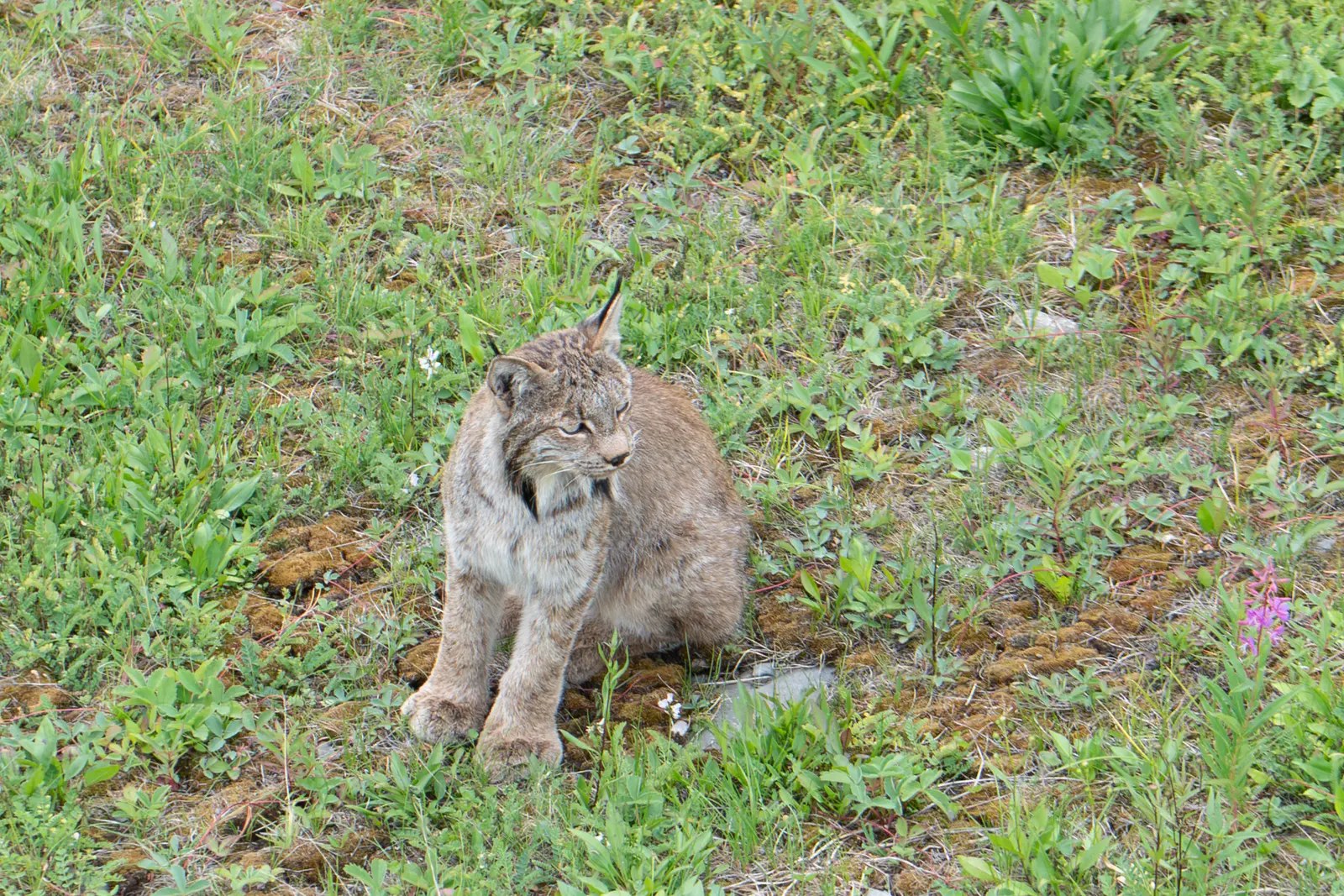
The Canada lynx (Lynx canadensis) is a medium-sized wild cat adapted to cold, snowy forests. In Banff National Park, lynx inhabit the subalpine and montane zones; including the forested terrain around the Larch area; where dense conifer cover and snowshoe hares provide ideal habitat.
Identification
Larger than a bobcat, with long black ear tufts, broad snowshoe-like paws, and a short, black-tipped tail. Fur is gray to buff, usually unspotted. Adults weigh 18–24 lb (8–11 kg). The large paws help them travel on deep snow; bobcats have smaller feet and prefer drier terrain.
Habitat and diet
Lynx are strongly tied to snowshoe hare populations, which cycle every 8–10 years. They hunt primarily at night in dense spruce, fir, and lodgepole pine forest. Solitary and elusive; sightings are rare even when populations are healthy.
Viewing
Lynx are rarely seen. If you encounter one, give it space and never approach. Report unusual or sensitive observations through Parks Canada channels.
The resort’s Lynx run in the Larch area is named after this animal.